The Power of Environment
The ambiance of a casino has been meticulously designed to stimulate and influence players. Bright lights, vibrant colors, and engaging sounds all contribute to an atmosphere that excites the senses and encourages a prolonged stay. This carefully crafted environment can create a sense of euphoria, making it difficult for players to leave. In particular, those who wish to enhance their gaming experience may choose to download aplikasi mega888 malaysia , as studies suggest that environments with certain characteristics can heighten emotional responses, which casinos exploit to increase the time players spend gambling. The sensory overload is not just for aesthetics; it is a strategic tool that plays a pivotal role in player engagement.
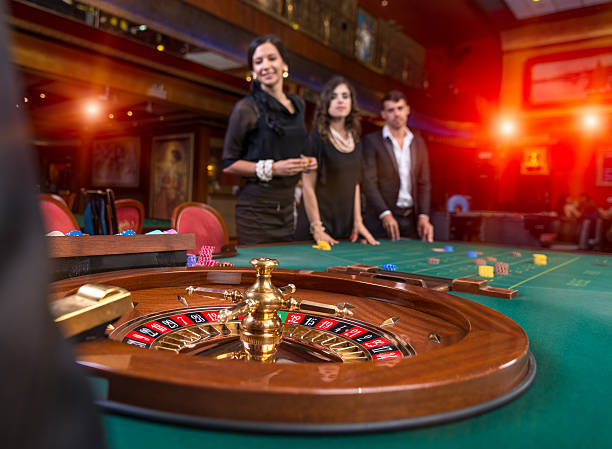
Additionally, the layout of the casino floor is strategically organized to maximize player engagement. Games are arranged to create a sense of flow and accessibility, leading players from one attraction to another. The presence of slot machines, table games, and bars are intentionally positioned to keep the excitement continuous. This approach ensures that players are consistently drawn into new experiences and further enhances their willingness to gamble, often leading to increased expenditure. This thoughtful design minimizes obstacles, allowing players to immerse themselves in the gaming experience seamlessly.
Moreover, the influence of social interactions in a casino cannot be overlooked. Players often gather around tables or slots, creating a community atmosphere that encourages enthusiasm and competition. This social element can amplify the thrills of gambling, making the experience more enjoyable and memorable. Conversations and shared experiences among players can lead to a sense of belonging, reinforcing the desire to stay and play longer. Thus, the physical and social environment of a casino is a crucial factor in shaping player behavior and driving business success.
The Role of Reward Systems
Casinos are adept at utilizing reward systems to maintain player interest and loyalty. This can be observed through loyalty programs, where players accumulate points that can be redeemed for various rewards, including free play, meals, or accommodations. By creating a sense of achievement through these rewards, casinos tap into the psychological concept of operant conditioning, where positive reinforcement encourages repeat behaviors. Players are often motivated to keep gambling, hoping to earn more points and enjoy the associated benefits, leading to a cycle of committed engagement.
Moreover, the intermittent rewards common in games of chance further enhance this phenomenon. When players experience small wins or bonuses, their brains release dopamine—an essential neurotransmitter related to the pleasure and reward system. This chemical response solidifies the connection between gambling and enjoyment, encouraging players to continue despite losses, as they become accustomed to the thrill of winning. The sporadic nature of wins creates an addictive dynamic, where players feel compelled to chase that next high, reinforcing their participation in gambling activities.
The illusion of control also plays a significant role in how players perceive reward systems. Many games give players a sense of agency, believing they can influence outcomes through their choices or strategies. This perception fosters deeper engagement, as players feel more invested in the game. For instance, in games like poker, players feel that their skill can affect the outcome, which enhances their emotional investment. By enhancing the experience through tailored rewards and a sense of control, casinos effectively cultivate an environment conducive to sustained play and increased spending.
The Influence of Cognitive Biases
Cognitive biases significantly impact player behavior in casinos, often leading to decisions that may not align with rational thinking. One prevalent bias is the gambler’s fallacy, where players believe that past events will influence future outcomes. For example, a player might hold on to the belief that a slot machine is “due” for a win after a streak of losses. This misconception keeps players invested and often leads them to wager more, prolonging their gambling sessions. Such biases create a fertile ground for casinos to thrive, as players are driven by flawed logic and emotion.
Another cognitive bias at play is the illusion of control, where players overestimate their ability to influence random events. This is particularly evident in games like roulette or dice games, where players believe their choices can affect the outcome. Casinos leverage this bias by emphasizing player choices, thereby increasing their engagement and the likelihood of further gambling. As players feel more in control, they are more likely to make riskier bets, which can lead to greater losses. This manipulation of perception is a powerful tool in the casino industry.
These cognitive biases create a complex interplay between psychology and gambling behavior. As players navigate these biases, casinos expertly tailor their marketing and game design to capitalize on these irrational thought processes. By understanding how these biases operate, casinos can create experiences that enhance player participation and, ultimately, profitability. This strategic alignment between player psychology and casino operations is what underpins the industry’s success.
The Emotional Roller Coaster of Gambling
Gambling is inherently emotional, as it taps into players’ hopes, fears, and desires. The thrill of winning and the despair of losing are both powerful emotional states that can compel individuals to gamble more. This duality creates an emotional roller coaster that can be addictive, as players seek to relive the high associated with winning. The anticipation of potential wins is often more exhilarating than the actual outcome, drawing players back for more. This cycle of emotional highs and lows is precisely what keeps players engaged and invested.
Furthermore, the fluctuation of emotions influences decision-making significantly. Players who experience a winning streak may feel invincible, making riskier bets as their confidence grows. Conversely, after a loss, a player might chase their losses, convinced that a win is just around the corner. This emotional volatility is precisely what casinos aim to exploit, using it to encourage longer play sessions and higher stakes. The emotional involvement in gambling can create a sense of urgency, prompting players to keep betting in hopes of recapturing their highs.
The unique blend of excitement and stress associated with gambling can also foster a sense of connection among players. Sharing these emotional highs and lows creates a bond, as gamblers often communicate with one another during their experiences. This social dynamic reinforces the gambling cycle; players are not only invested in the game but also in the shared experience with others, further motivating them to stay and play longer. This social aspect enhances the overall gambling experience, making it not just about the game but also about the community that forms around it.
Understanding Player Preferences and Trends
The casino industry continually studies player preferences to remain competitive and appealing. By analyzing trends and behaviors, casinos can tailor their offerings to meet the evolving desires of their clientele. This might involve introducing new games or enhancing existing ones based on customer feedback and play patterns. Understanding player demographics, such as age, gender, and spending habits, allows casinos to create targeted marketing campaigns and personalized experiences that resonate with their audience. This data-driven approach ensures that casinos stay relevant and engaging.
Moreover, the rise of technology has transformed how casinos interact with players. Mobile gaming applications, online platforms, and virtual reality experiences have opened new avenues for engaging with players outside the physical casino environment. These advancements allow casinos to maintain contact with players and encourage them to return, even when they are not physically present. The use of data analytics helps casinos understand when and how to best engage with players based on their preferences and behaviors. This adaptability is essential in a rapidly changing market.
As the landscape of gambling continues to evolve, casinos must remain adaptable to changing player trends. This focus on understanding player preferences not only enhances customer satisfaction but also enhances player loyalty. By continually refining their offerings and leveraging psychological insights, casinos ensure they remain at the forefront of the gaming industry, thriving on player psychology. This ongoing commitment to understanding and catering to player needs is what solidifies their success in a competitive environment.