The hidden motivations behind gambling psychology
Understanding the Thrill of Risk
The psychology of gambling is deeply rooted in the thrill that comes from taking risks. For many players, the excitement of uncertainty is a significant draw. This adrenaline rush often comes from the potential of winning big, which can overshadow the possible negative consequences of gambling. Many might find themselves visiting a casino, where the vibrant 1xbet apk enhances the experience, making each moment feel exhilarating.
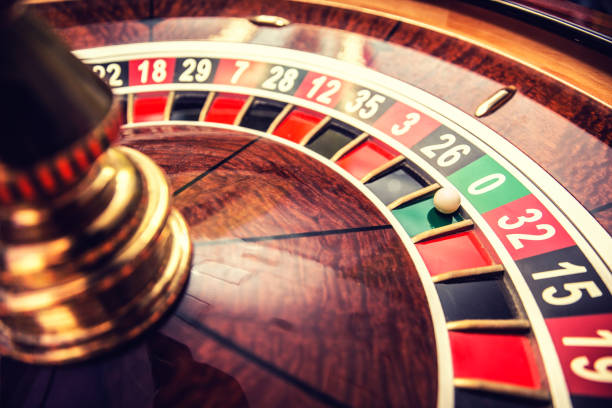
This thrill-seeking behavior can often lead to a cycle of repeated gambling, as the rush creates a sense of euphoria. This psychological response can become addictive, causing individuals to chase their next high. As people become conditioned to associate gambling with excitement, they may neglect the reality of the risks involved, focusing instead on the immediate gratification of the experience.
The Role of Cognitive Biases
Cognitive biases significantly influence gambling behavior by distorting a player’s perception of probability and outcomes. The illusion of control, for instance, is a common phenomenon where gamblers believe they can influence the outcome of a game through skill or strategy. This belief can lead them to take unnecessary risks, thinking they have an edge, even in purely chance-based games.
Social Influences on Gambling Behavior
The social environment plays a crucial role in shaping gambling behavior. Whether it’s friends encouraging a night out at a casino or social media glamorizing the lifestyle of high-stakes gamblers, these influences can impact an individual’s decision to gamble. People often seek validation from their peers, and when gambling is normalized in social circles, it can lead to increased participation.
The Emotional Escape of Gambling
For many, gambling serves as a temporary escape from life’s challenges. The excitement and distraction can provide relief from stress, anxiety, or depression. This emotional coping mechanism can lead individuals to gamble as a way to forget their problems, seeking solace in the thrill of chance.

Exploring Further on Gambling Psychology
Exploring the hidden motivations behind gambling psychology reveals a complex interplay of thrill, cognitive biases, social influences, and emotional factors. Understanding these elements is crucial for developing effective strategies to address gambling addiction and promote healthier behaviors.